
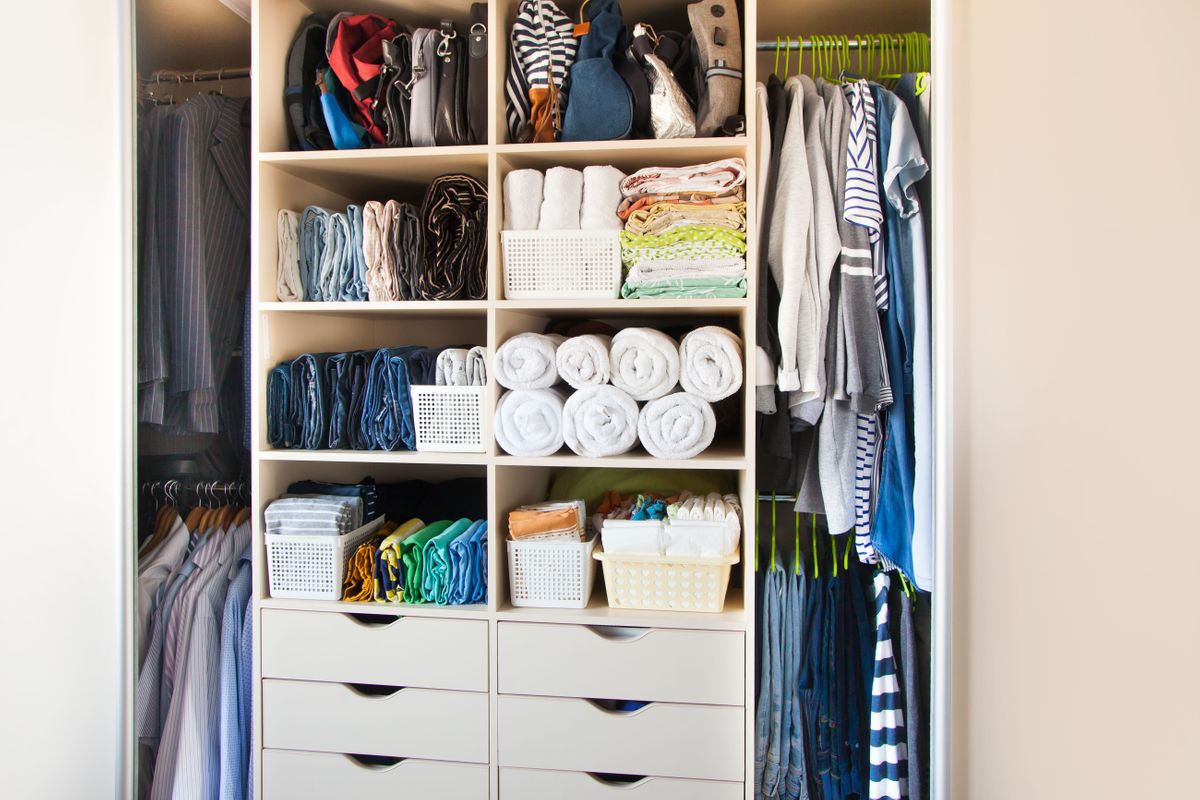
Most homeowners who reach out to a closet designer don't really know what to expect from the process. They know their current closet isn't working. They've seen photos of organized, built-in systems online. But the steps between "my closet is a mess" and "this actually works" aren't obvious, and that uncertainty is often what keeps people from moving forward.
If you're considering custom closets in San Diego, this is a straight walkthrough of how the design and installation process actually works, what decisions you'll need to make, and what a finished system typically looks like.
What Makes a Closet "Custom," and Why It Matters
A custom closet isn't just a different aesthetic. It's a storage system built specifically around your space and how you use it.
Standard closets, the kind that come with most San Diego homes, are built to a generic spec. One rod, one shelf, maybe a second rod at half-height. That layout works fine if your wardrobe happens to fit it. Most people don't.
A custom closet system starts with your actual dimensions. Every wall, every corner, every inch of ceiling height gets measured. From there, a designer builds a layout around what you actually store: how many hanging items, whether you fold more than you hang, how much shoe storage you need, whether you want drawers or open shelves. The result is a closet that uses the full depth and height of your space, not just the middle third of it.
In San Diego County, homes in Rancho Santa Fe or Carmel Valley often have larger master suites with more square footage to work with. Older homes in areas like Escondido or Vista may have smaller, more awkward closets that need creative solutions. A good design accounts for both.
The Design Process: From Measurements to Approved Layout
Here's how the process typically works with a local closet designer:
Initial consultation and measurement: A designer visits your home, measures the space, and asks about your storage habits and priorities. This takes about an hour.
Design proposal: Within a few days, you'll receive a layout drawing showing the proposed system: shelf placements, hanging zones, drawer units, and any specialty features.
Review and revision : You go through the design together. Most homeowners have one or two changes: moving a shelf, adding a pull-out rack, adjusting a drawer height. These get incorporated before final approval.
Material and finish selection: You choose the panel color or finish (most systems come in a range of whites, grays, and wood tones) and confirm hardware details.
Installation: Once materials arrive, the installation typically takes one day for a standard reach-in or walk-in closet.
The whole process from first call to finished closet usually runs two to four weeks, depending on scheduling. You can see the full range of closet installation services San Diego Closet Pros offers, from walk-ins to garage storage.
What Goes Into a Well-Designed Closet System
A few features that come up in nearly every custom closet design, and why they're worth including:
Adjustable shelves. Fixed shelves lock you into a layout that may not work five years from now. Adjustable shelving lets you reconfigure as your storage needs change.
Double-hang sections. Two shorter rods stacked vertically can nearly double your hanging capacity for shirts, jackets, and folded pants. Most people underestimate how much of their wardrobe is short-hang.
Dedicated shoe storage. Angled shoe shelves or cubbies keep footwear visible and accessible. A 24-inch-wide shoe shelf angled at 15 degrees can hold 8–10 pairs without stacking.
Drawer units. Built-in drawers pull out fully and are deeper than most bedroom dressers. They free up floor space while keeping folded items organized.
Pull-out accessories. Tie racks, belt hooks, and pull-out valet rods are small additions that make a real difference if your wardrobe includes a lot of accessories.
None of these features are necessary in every closet: a well-designed system includes what you'll actually use, not every option on the menu. To see how these components come together in real installs, the project gallery has examples from homes across San Diego County.
Reach-In vs. Walk-In: Different Problems, Same Approach
Not every San Diego homeowner has a walk-in closet to work with. Reach-in closets, typically 24 to 30 inches deep and anywhere from 4 to 10 feet wide, are more common in secondary bedrooms, hallways, and older homes.
The design approach is the same: measure accurately, understand what's being stored, and build a system that uses the full height and width of the space.
A reach-in closet done well can hold significantly more than it does with a standard builder rod-and-shelf setup. The biggest waste in most reach-in closets is vertical space: items piled on a single shelf while 3 feet of wall above it sits empty.
For walk-in closets, the design gets more involved. There's usually an island to consider, different zones for different users if it's shared, and decisions about lighting. But the fundamentals are the same: work with what's there, and design around how the space actually gets used.
Does a Custom Closet Add Value in San Diego's Market?
It's a fair question, and the honest answer is: usually yes, but it depends on how it's done.
Storage is one of the most consistently requested features among homebuyers. According to NAHB's What Home Buyers Really Want study, walk-in closets rank among the top five features for first- and second-time buyers, and ample storage more broadly is a driver in purchase decisions. In San Diego's market, where square footage comes at a premium, a closet that genuinely uses its space matters to buyers — not just current owners.
That said, the value comes from a quality installation. A system that looks built-in, matches the home's finishes, and holds up over time contributes to how a home presents at listing. One that looks like an afterthought doesn't.
Frequently Asked Questions
Will a custom closet add value to my home? Generally, yes. Organized, built-in storage is a selling point in San Diego's real estate market. Buyers notice it, and a well-finished closet system photographs well for listings. Most homeowners in this area find it worthwhile — both for daily use and at resale.
How long does installation take? Most standard closets, reach-in or a mid-size walk-in, are installed in a single day. Larger or more complex projects may take two days. The closet is ready to use immediately after the team leaves.
Ready to See What Your Closet Could Look Like?
Custom closet design in San Diego doesn't need to be complicated. The process is clear, the timeline is short, and the result is a space that works the way your current closet doesn't.
San Diego Closet Pros offers a free quote with no obligation. Describe your space, and you'll get back a design plan with clear, itemized pricing, no pressure, no vague estimates. Request yours at sandiegoclosetpros.com/contact or call (760) 510-6810.