
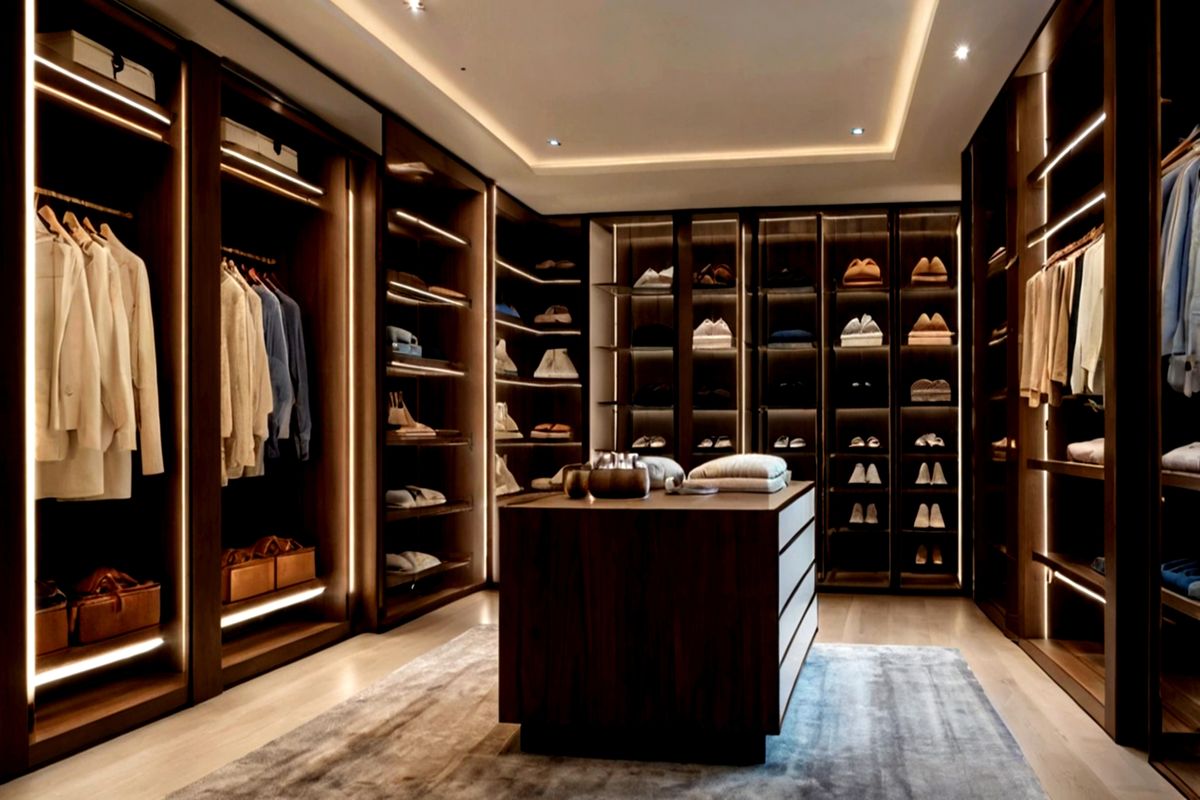
A closet designer plays a specialized role in transforming storage areas into highly functional, customized spaces that reflect a homeowner’s needs and lifestyle. These professionals evaluate available space, identify pain points, and develop tailored layouts that improve accessibility and organization. Working with a closet designer ensures that every inch is used efficiently while maintaining a clean and cohesive aesthetic.
Design solutions are built around practical functionality, premium materials, and thoughtful layouts that align with real-life usage. A closet designer considers not only current storage demands but also future flexibility, ensuring the system adapts as needs evolve. This level of planning creates long-term value while reducing the likelihood of clutter returning over time.
Maximizing Space With Custom Layouts
Maximizing available space is one of the primary advantages of working with a closet designer. Rather than relying on generic shelving or off-the-shelf systems, custom layouts are developed to fit exact dimensions and storage requirements. This approach often reveals unused vertical and horizontal space that can be converted into functional storage zones.
A closet designer integrates features such as double hanging rods, built-in drawers, adjustable shelving, and specialized compartments to ensure every category of item has a designated place. By optimizing layout efficiency, homeowners can store more items without increasing the footprint of the closet. Design strategies are applied to create balanced systems that enhance both usability and visual appeal.
Enhancing Organization and Accessibility
Organization becomes significantly easier when a closet designer structures the space with intentional zones and logical placement. Items are grouped based on frequency of use, category, and accessibility needs, which reduces time spent searching for belongings. This structured approach leads to a smoother daily routine and less frustration.
Accessibility is also improved through thoughtful design elements such as pull-out accessories, adjustable shelving heights, and integrated lighting. A closet designer ensures that each component is positioned for ease of use by all household members. These features help create systems that are intuitive, practical, and supportive of long-term organizational habits.
Designing for Personal Lifestyle Needs
Every household has unique storage requirements, which is why a closet designer focuses heavily on personalization. Factors such as wardrobe size, accessory collections, family size, and daily routines all influence the final design. Customization ensures that the closet supports how the space is actually used rather than forcing users to adapt to a rigid system.
A closet designer may include specialized sections for shoes, handbags, seasonal clothing, or shared spaces for multiple users. The design process begins with understanding each client’s lifestyle before creating a layout that aligns with both practical needs and personal preferences. This tailored approach enhances satisfaction and long-term usability.
Improving Aesthetic Appeal and Home Value
Beyond functionality, a closet designer enhances the visual appeal of a space by selecting finishes, materials, and configurations that complement the home’s overall design. Clean lines, coordinated colors, and high-quality hardware contribute to a polished and cohesive appearance. A well-designed closet can elevate the look and feel of an entire room.
In addition to aesthetics, professionally designed closets can positively impact property value. According to Houzz, 57% of homeowners renovating their storage spaces hire a professional closet designer for residential projects, highlighting the demand for expert solutions. Designs that combine organization with style can make a home more attractive in competitive real estate markets.
Comparing DIY Approaches and Professional Design
While DIY solutions may seem cost-effective initially, they often lack the precision and long-term functionality provided by a closet designer. Miscalculations in measurements, inefficient layouts, and limited material options can result in systems that fail to meet expectations. These challenges often lead to additional costs and time spent correcting issues.
A closet designer brings experience, tools, and knowledge that streamline the entire process from concept to installation. Each phase is managed with attention to detail, ensuring that the final product is both structurally sound and visually refined. This professional approach reduces uncertainty and delivers consistent, high-quality results.
Addressing Common Storage Challenges
Many homeowners face recurring storage challenges such as overcrowding, lack of visibility, and inefficient use of vertical space. A closet designer identifies these issues during the consultation phase and develops targeted solutions to resolve them. By addressing root causes rather than symptoms, the design creates lasting improvements.
Solutions may include reconfiguring layouts, introducing modular components, or incorporating specialized storage accessories. Each feature is selected with the purpose to ensure it contributes to the overall functionality of the system. This approach simplifies organization and helps reduce daily clutter.
Planning a Structured Design Process
The design process typically begins with an in-depth consultation where a closet designer assesses the space, discusses goals, and gathers measurements. This phase is essential for understanding both functional requirements and stylistic preferences. Clear communication during this stage helps establish expectations and guide the direction of the project.
Following the consultation, the closet designer develops detailed plans and visual representations that illustrate the proposed layout. Clients are given the opportunity to review and refine designs before installation begins. This collaborative process ensures that the final outcome aligns with the intended vision while maintaining practical efficiency.
Delivering Quality Materials and Craftsmanship
Material selection is a critical component of any project managed by a closet designer. Durable surfaces, reliable hardware, and high-quality finishes contribute to both the longevity and appearance of the system. These materials are chosen not only for aesthetics but also for their ability to withstand daily use.
A closet designer ensures that construction methods align with industry standards, resulting in stable and long-lasting installations. Precision in craftsmanship supports consistent performance over time, even with frequent use. Attention to detail during fabrication and installation helps maintain both structure and appearance.
Integrating Flexibility for Future Needs
A well-planned system designed by a closet designer includes flexibility to accommodate changing storage needs. Adjustable shelving, modular components, and expandable layouts allow homeowners to modify the system as lifestyles evolve. This adaptability helps prevent the need for frequent redesigns.
A closet designer anticipates future requirements by incorporating features that can be easily adjusted or reconfigured. Systems are designed to grow with the household, ensuring continued functionality over time. This forward-thinking approach supports long-term satisfaction and usability.
Experiencing a Streamlined Installation Process
The installation phase is carefully managed by a closet designer to ensure accuracy and efficiency. Measurements are verified, components are prepared in advance, and installation teams follow detailed plans to assemble the system correctly. This organized process minimizes disruptions and ensures a smooth transition from design to completion.
A closet designer oversees the installation to confirm that each element aligns with the approved design. Each component is placed with precision to ensure proper fit and alignment. The result is a finished system that reflects the original design intent while meeting functional expectations.
Investing in a professionally designed closet also improves daily efficiency by reducing decision fatigue and streamlining routines. When items are easy to locate and return, maintaining order becomes a consistent habit rather than a chore. A closet designer can also incorporate lighting, finishes, and configurations that enhance visibility and usability.
Over time, these improvements contribute to a more organized home environment that supports productivity, comfort, and a more enjoyable living experience overall for long-term value. Partnering with a closet designer ensures each design is tailored to your space and storage goals with professional guidance. Reach out to San Diego Closet Pros to get started on creating a more functional and organized closet system.